Access to Justice & Human Rights For All
Universal Human Rights Service Foundation (UHRSF) is dedicated to creating awareness among people — especially the youth — about their human rights and the duties enshrined in the Constitution. We believe that when people understand the powers vested in them, they can change their lives and make our social, political and economic processes more inclusive and just.
Our Mission
To create public awareness of human rights, take up cases of human rights violations, and resolve them through constitutional means — ensuring access to justice for every citizen.
Our Vision
A society where every individual is aware of their fundamental rights and duties, and where justice is accessible to all without discrimination.

Kiran C D
Founder & President
Kiran C D is the founder and guiding force behind the Universal Human Rights Service Foundation. With a deep commitment to justice and constitutional values, he leads the foundation's mission to make human rights awareness and access to justice a reality for every citizen.
Our Organization Executives
A dedicated team driving the foundation's mission across communities.
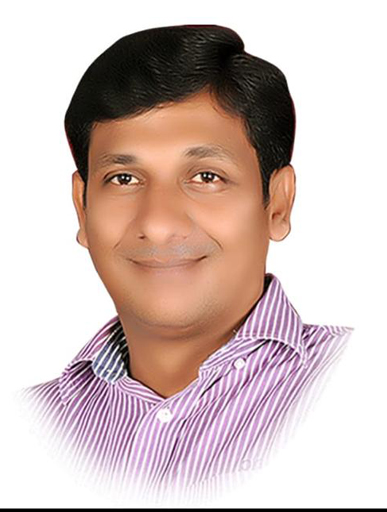
Rafiq J
Executive Member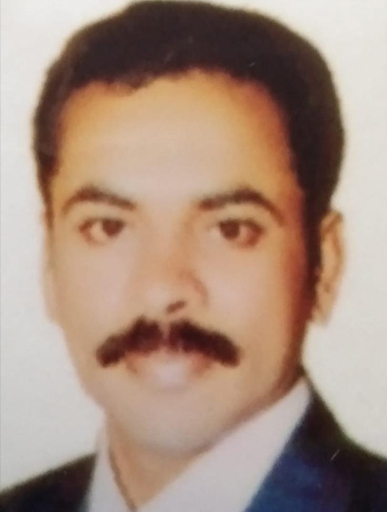
K S Shivanand
Executive Member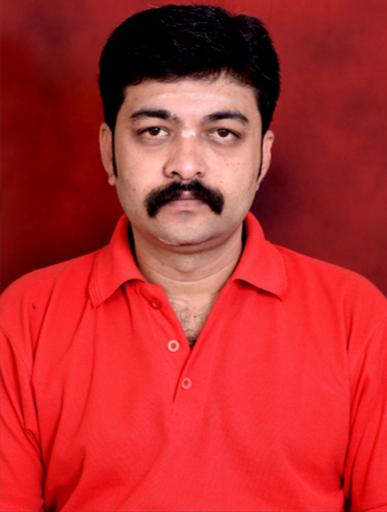
Janardeen H Aradhya
Executive Member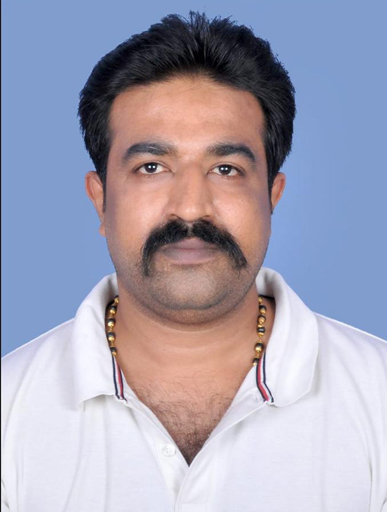
Sagar P G
Executive Member
Chandra Shekar T S
Executive Member
Dr. Hareef Sait
Executive Member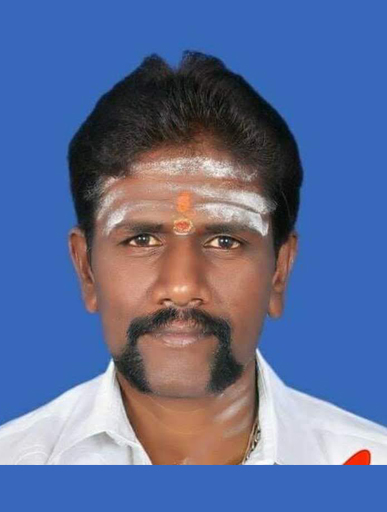
Giridar K S
Executive Member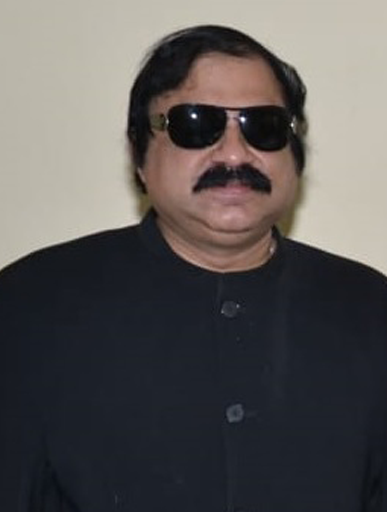
Prof. M. B. Singh
Executive MemberSix Fundamental Rights of Indian Citizens
The Constitution of India guarantees six fundamental rights to every citizen. Knowing them is the first step towards protecting them.
Right to Equality
Equality before the law and equal protection of the laws; prohibition of discrimination on grounds of religion, race, caste, sex or place of birth (Articles 14–18).
Right to Freedom
Freedom of speech and expression, assembly, association, movement, residence and the right to practise any profession (Articles 19–22).
Right against Exploitation
Prohibition of human trafficking, forced labour and the employment of children in hazardous work (Articles 23–24).
Right to Freedom of Religion
Freedom of conscience and the right to freely profess, practise and propagate any religion (Articles 25–28).
Cultural & Educational Rights
Rights of minorities to conserve their culture, language and script and to establish educational institutions (Articles 29–30).
Right to Constitutional Remedies
The right to move the courts for enforcement of the fundamental rights — called the "heart and soul" of the Constitution (Article 32).